New Series: Visual Reflections on Weekly Torah Parsha Studies and other Jewish lessons
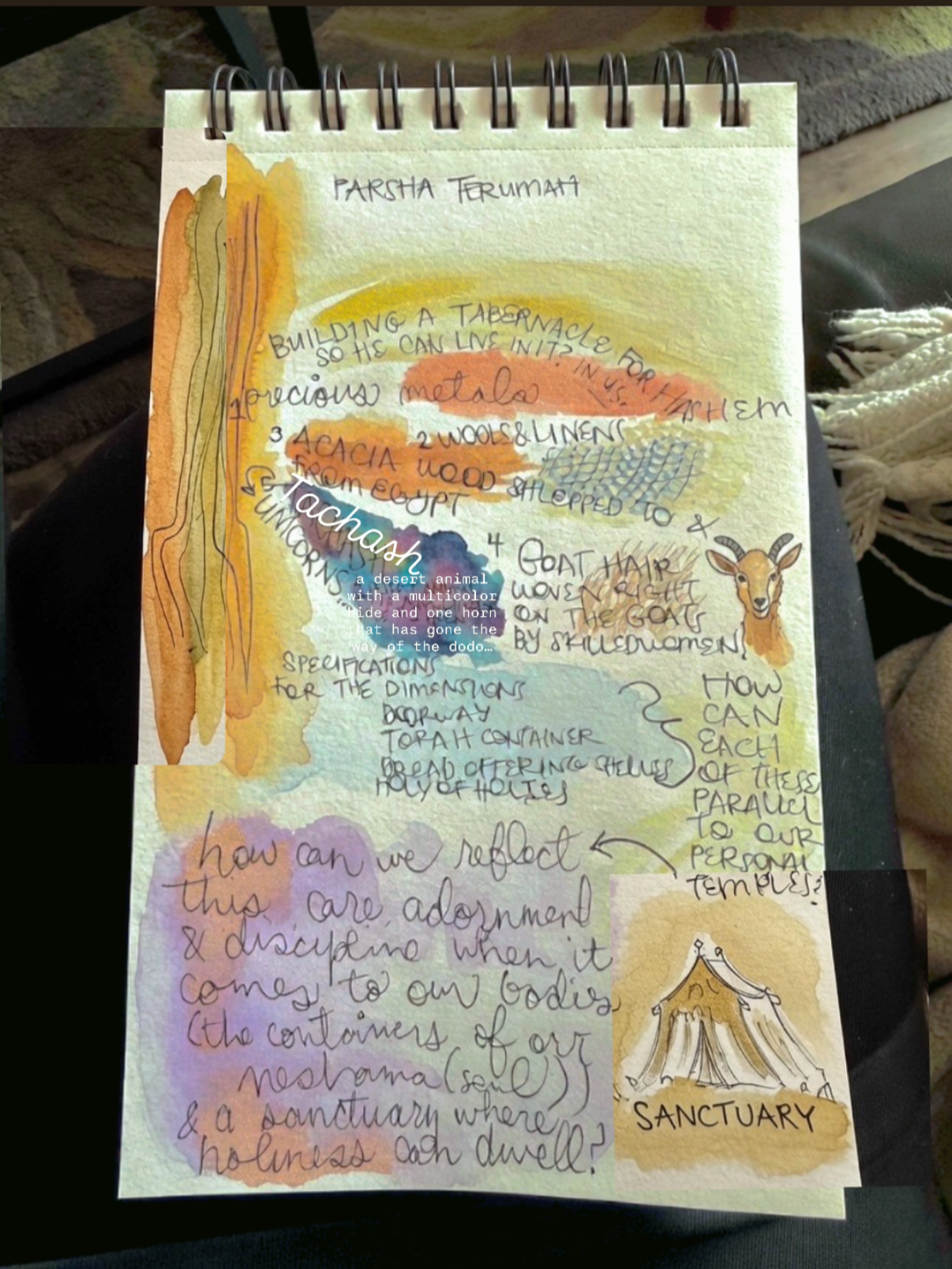
Parsha Terumah
Born the week of Chernobyl to Jews waiting to emigrate as refugees from the Soviet wasteland, Jewish education was not an overt priority, for survival’s sake. It was illegal to practice any religion in that dreary state, and being obviously Jewish detracted from social standing and professional and social opportunities. I was in an Uber to work at the Synagogue where I’m Marketing Director and Kevin, the driver, said “you’re going to work right?” And I said yeah, and he said, “don’t you want to know how I knew that?” And I realized he probably wasn’t seeing the “Work” label on the location I had set, and so I asked, “how?” And he said “because your name is margarita and you’re going to a synagogue and so I know you’re going to work because you’re not Jewish.” And I told him that I am Jewish, and my family named me Margarita to hide my Jewish identity in the Soviet Union. He was a retired cop who used to work synagogue detail around NYC, so he knew the deal. That every synagogue has armed guards. Protecting people studying and praying together.
Until 2023, I didn’t feel very welcome to immerse in Jewish studies and in turn what I’ve come to realize was my relationship with Hashem. After October 7th, everything flipped in my worldview in unexpected ways I can only see comparison in the Earth’s poles flipping. I had just bought a place in the South Bronx and hadn’t prioritized living in a place with a higher Jewish population than 2 (I exaggerate but not by much). That’s when I reached out to the closest rabbis I could find geographically, the Chabad at the end of the neighborhood park. Close enough to feel like home and even to walk to on Shabbat like a Jew in a legit Jewish community. Even more exciting was the relationship I cultivated with the women in the community. The rebbetzin (rabbi’s wife and Jewish educator) Chana Mushka understood that coming from Ukraine, I needed introductory access points to my Jewish learning. She met me where I was. And through weekly studies of the kabbalistic Tanya writings and later Torah, I began the, sometimes overwhelming, journey of cultivating a personal, one-on-one relationship with Hashem. Something I never felt worthy of having, let alone realizing it was an option. Chana Mushka opened my eyes to this relationship my heart already knew I had with Hashem, and it’s the best gift anyone will ever give me.
It took about 2 years to get to a place where I don’t cry every time I pray (only half the time now). I guess it’s the grasping of 3 things: The overwhelm of the greatness of this sacred relationship, the rightness of the lessons of the Tanya I learned, and the healing experience of feeling welcome and enough (and actually central as a Jew in the Ukrainian diaspora sharing heritage with the Chabad Rebbes through history).
I regret not starting this series during my Tanya studies in 5785 (2024-2025), but am glad I was jolted to begin as Chana Mushka and I and other women from the community began studying weekly Torah portions together (virtually as Chana’s family has since moved to the Midwest). The vision is that in sharing this rapid prototype-type multimedia, visual note taking on this blog and beyond, perhaps the resonating insights from Hashem’s words upon first study for me will also speak to the hearts of those who follow along. Thank you for connecting with me through my work, and Baruch Hashem for the opportunity to collaborate with Hashem on this journey. Stay tuned to this space for weekly installments from these lessons with my teachers and friends, as well as additional learnings around holidays and Jewish practice I’m picking up at my day job at the Synagogue.
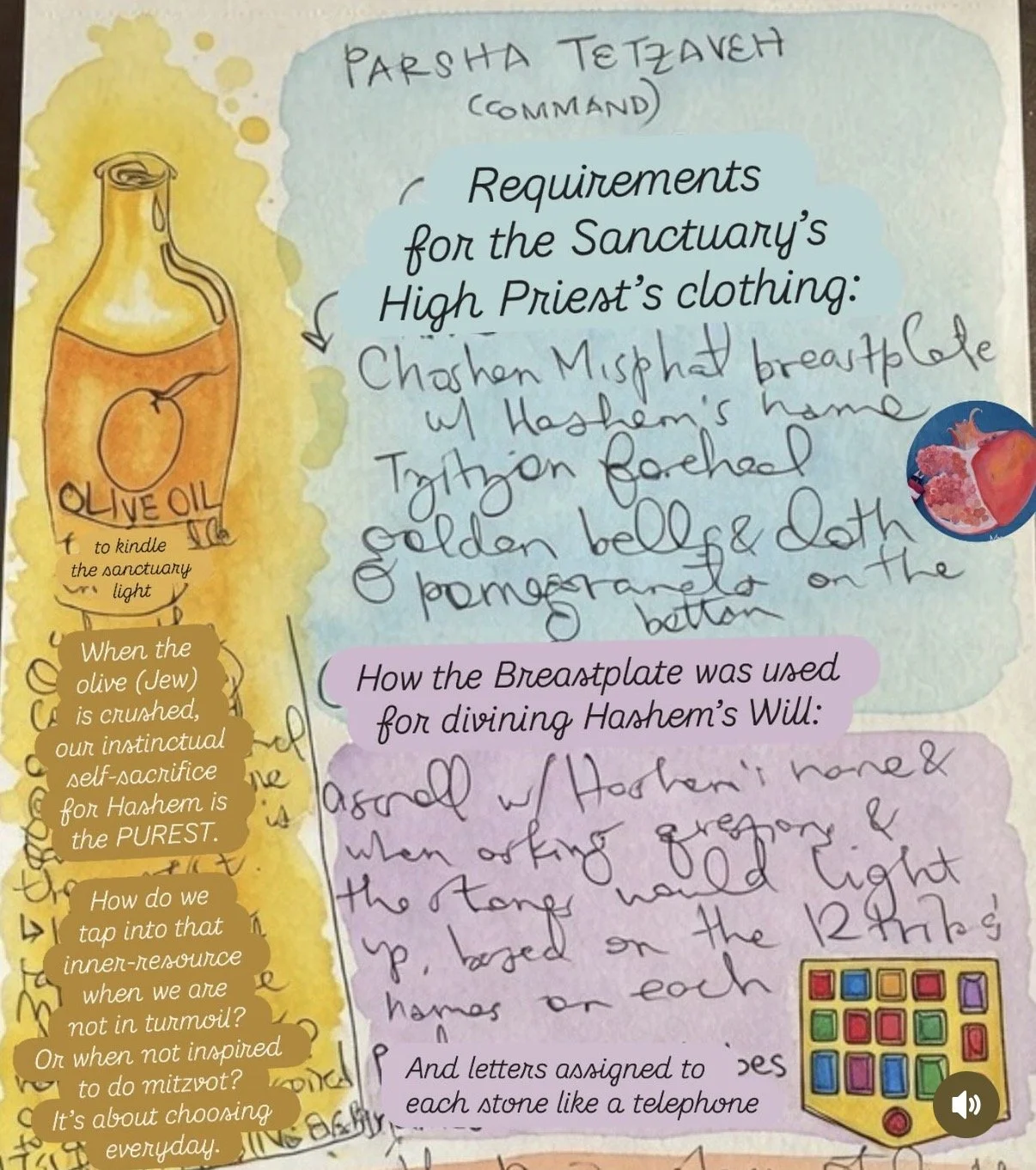
Parsha Tetzaveh
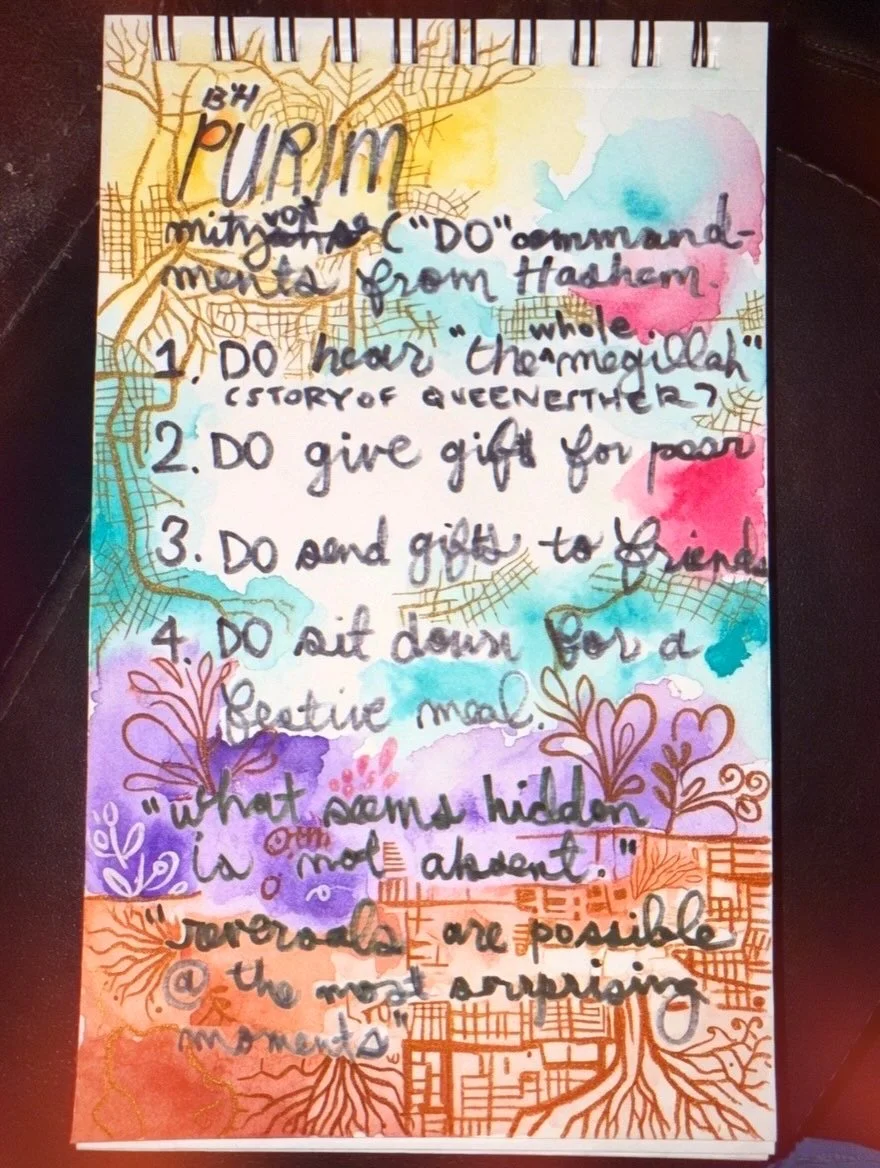
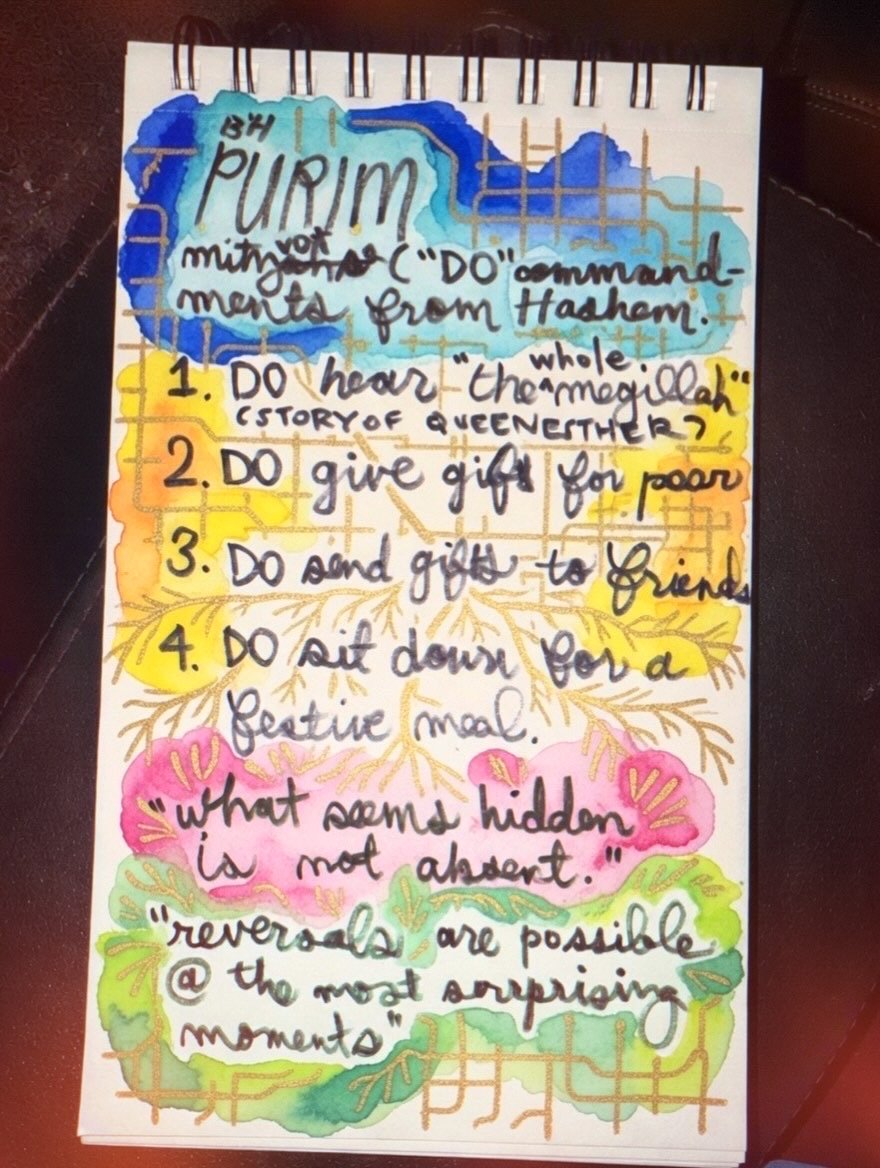
Purim Lessons
